
 Salvage the Bones, winner of the National Book Award for Fiction in 2011, is the profoundly harrowing story of a young teenage girl, Esch, and her father and brothers, as they prepare to face a hurricane threatening to upend their lives in Bois Sauvage, Mississippi. It is a story about what it means to be black and poor in the South today, about burgeoning sexuality, about family and community and secrets, about the destructive power of nature.
Jesmyn Ward is a master of language and narrative, with a sharp, uncanny ability to craft a world that glitters with realness and chafes with grit. Her characters seem to emerge from a deep well of human understanding, they are nuanced and determined, tender and fierce, each one a survivor, hardened by the painful difficulties of life. Salvage the Bones houses both brilliance and heavy sorrow, what an intense and necessary book.

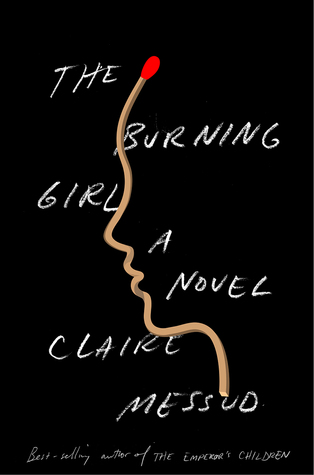 Most girls, at some point in adolescence, survive a best friend breakup. Most women I know have been through multiple friend breakups: new friends are made, interests change. A certain rite of passage, it can be sad, heartbreaking even, yet inevitable.
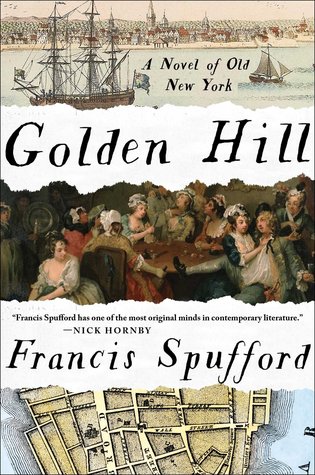 Mr. Smith, the protagonist of Francis Spufford’s historical novel Golden Hill, set in small-town 18th century New York City, is a mystery. Neither the characters around this aptly named any man, nor the reader for that matter knows what he’s about when he shows up in New York newly off the boat from England with a note for a large sum of money to be paid by a particular man at a well-known counting house. The money can’t be paid out immediately, so Mr. Smith goes about his mysterious business, making friends and enemies, getting into trouble with the locals, all the while staying mum on his identity and his mission.
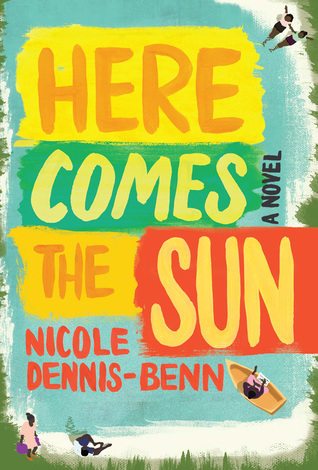 Nicole Dennis-Benn’s
 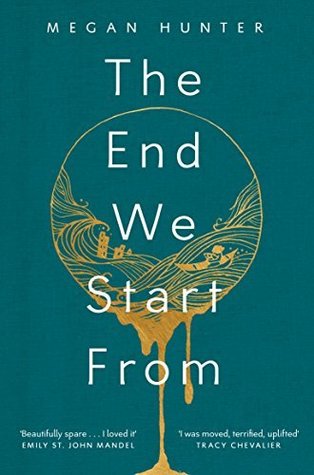 Available November 2017
 Brief Book Reviews